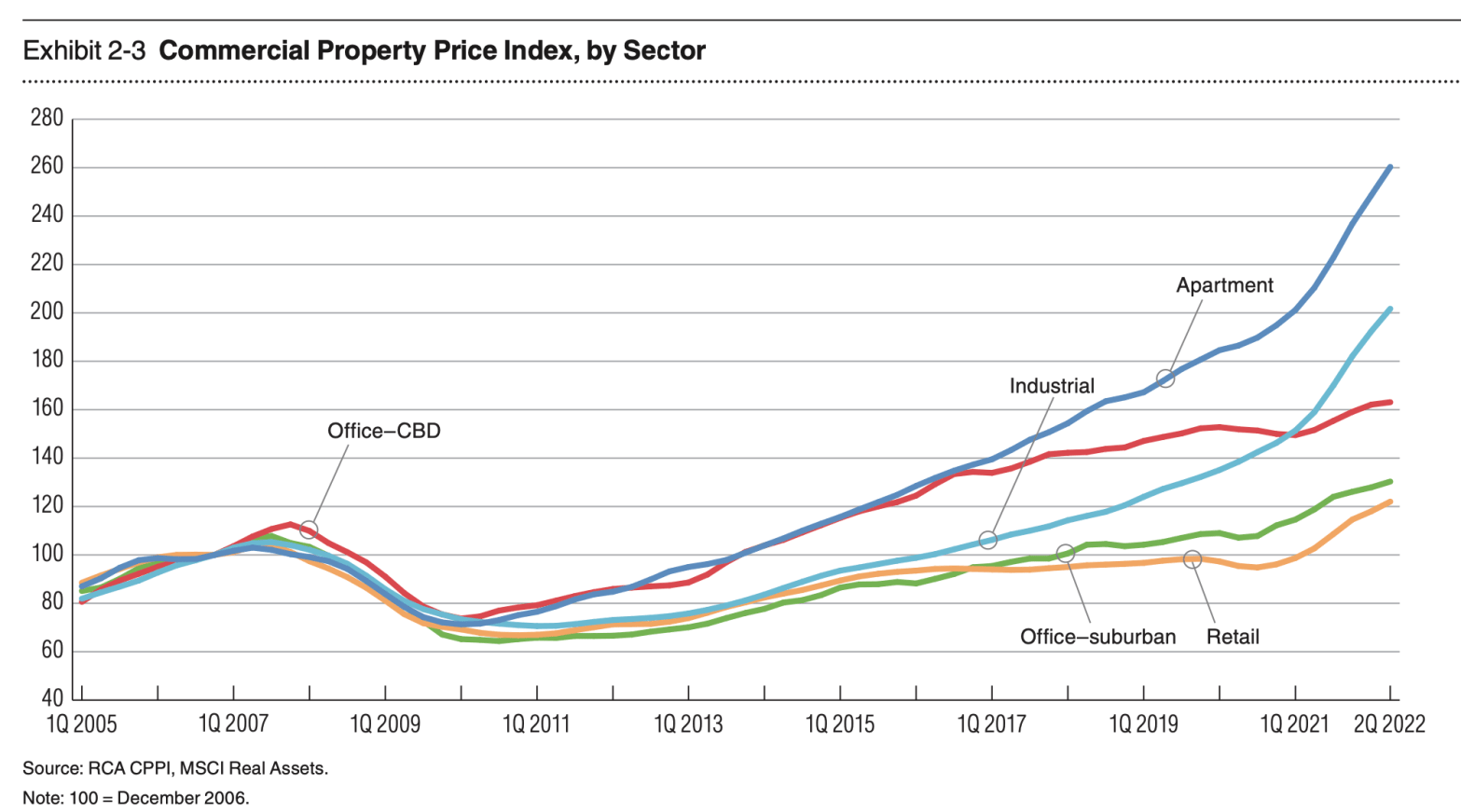
The PwC Emerging Trends in Real Estate 2023 report sheds light on the most pressing concerns and emerging trends in the real estate industry. As a specialist in real estate economics, it is imperative to analyze the key findings and offer insights into the implications for real estate professionals and investors. The report identifies inflation as the primary concern, fueled by the war in Ukraine, supply chain disruptions, and escalating energy prices. This paper will examine the impact of inflation on the real estate market, the challenges it poses for investors, and provide actionable strategies for real estate professionals to navigate this dynamic landscape.
Impact of Inflation on the Real Estate Market
The surge in inflation has far-reaching consequences for the real estate market, manifesting in various ways:
- Rising Construction Costs: Inflation has led to a significant increase in construction material prices, driving up the expenses associated with real estate development. Consequently, it has become more expensive for developers to undertake new projects, impacting the availability of affordable housing and other real estate offerings.
- Escalating Rents: The elevated costs of construction have translated into higher rents for residential and commercial properties. With increasing rental rates, many individuals are finding it challenging to afford housing, and businesses may face difficulties in securing affordable office spaces.
- Falling Home Prices: In certain markets, the surge in inflation has resulted in falling home prices as potential homebuyers struggle to meet the rising costs. This may create uncertainty for both sellers and buyers in the real estate market.
Impact of Inflation on Real Estate Investors
The implications of inflation extend to real estate investors, who must navigate the following challenges:
- Higher Development Costs: Investors face increased costs for construction and development, diminishing profit margins for ongoing and future projects. The volatile market conditions may make it difficult for investors to predict returns accurately.
- Risk of Rising Interest Rates: As inflation rates climb, there is a looming risk of central banks raising interest rates to curb inflation. Higher interest rates could lead to reduced borrowing and, consequently, slow down real estate investment activity.
Strategies for Real Estate Professionals
To mitigate the impact of inflation, real estate professionals can adopt the following strategies:
- Competitive Pricing: Pricing properties competitively is essential to attract potential buyers and tenants. Real estate professionals must conduct thorough market analyses to set competitive prices that reflect current demand and cost realities.
- Negotiating with Contractors: Engaging in strategic negotiations with contractors and suppliers can help reduce construction costs. By forming strong partnerships and securing favorable deals, real estate professionals can mitigate the impact of rising material prices.
- Portfolio Diversification: To mitigate risk, real estate professionals should diversify their portfolios across different asset classes and markets. Allocating investments across residential, commercial, and industrial properties can help offset potential losses in any single segment.
Impact of the Office Market
The rise of remote work policies during the pandemic has resulted in reduced demand for office space. While some cities experience an office space surplus, certain locations with strong economies and vibrant tech sectors still retain demand for office space.
- Rising Vacancy Rates: The decline in demand has caused vacancy rates to increase in several office markets as companies opt for remote work models and downsize their physical office space requirements.
- Falling Rents: Reduced demand has led to falling rents as companies seek to negotiate lower leasing costs amid a competitive market.
- Consolidation of Office Space: To adapt to changing work dynamics, some companies have chosen to consolidate their office spaces to cut expenses and promote collaboration.
Strategies for Real Estate Professionals
Real estate professionals can respond to the changing office market landscape by considering these strategies:
- Repositioning Office Space: To attract tenants, real estate professionals can reposition office spaces, converting underutilized office buildings into multi-functional spaces, such as residential or retail properties.
- Negotiating with Tenants: In a market with increased vacancy rates, real estate professionals should be flexible in negotiations with tenants to maintain occupancy levels and minimize income disruptions.
- Portfolio Diversification: As with the broader real estate market, diversifying portfolios can help spread risk and adapt to market fluctuations effectively.
Industrial Real Estate Boom
The rise of e-commerce has fueled a significant demand for industrial space to store and distribute goods. This trend has resulted in a thriving industrial real estate market.
- Rising Rents and Property Values: The surge in demand has driven rents and property values to unprecedented heights, making industrial real estate the most attractive asset class for investors in 2023.
- Shortage of Industrial Space: The high demand has led to a shortage of industrial space in some markets, posing challenges for investors seeking suitable opportunities.
Strategies for Real Estate Professionals
To capitalize on the industrial real estate boom, professionals can consider the following strategies:
- Investing in Industrial Properties: Identifying and investing in industrial properties can offer significant returns amid the surge in demand. However, thorough market research and due diligence are essential to identify sustainable opportunities.
- Adaptive Reuse of Existing Spaces: Repurposing underutilized properties or converting non-industrial spaces into distribution centers can provide viable investment options.
- Risk Management: Despite the positive outlook, professionals should carefully manage risk by diversifying their industrial property investments across different geographic locations and industries.
Conclusion
The PwC Emerging Trends in Real Estate 2023 report highlights the central role of inflation in shaping the real estate industry’s trajectory. From the impact on construction costs, rents, and property values to the challenges faced by investors, inflation poses complex challenges for real estate professionals. By adopting competitive pricing, strategic negotiations, and portfolio diversification, professionals can navigate the uncertainties and make informed decisions. Similarly, the changing dynamics in the office market and the industrial real estate boom necessitate adaptive strategies to stay ahead in the evolving landscape. As the industry continues to adapt to these trends, proactive planning and a thorough understanding of market dynamics will be crucial for success in the real estate sector.
Outlier Properties is delighted to help our investors to find the real deal on these uncertain moment.
 Outlier Properties